Which is Better Value? Em925A5A Bs vs Roomba 960 Compared
Robot vacuums have matured from novelty gadgets into practical household helpers. When shoppers compare options, they often weigh cleaning performance, navigation reliability, battery life, smart features, and long-term upkeep. This article compares two contrasting options: the Em925A5A Bs (an example of a budget-to-midrange model frequently found under compact alphanumeric model names) and the Roomba 960 (a well-known midrange offering from iRobot's 900 series). Rather than simply naming winners, this guide examines real-world use cases and buyer priorities so readers can decide which model represents better value for their home and lifestyle.
Introduction to the two contenders
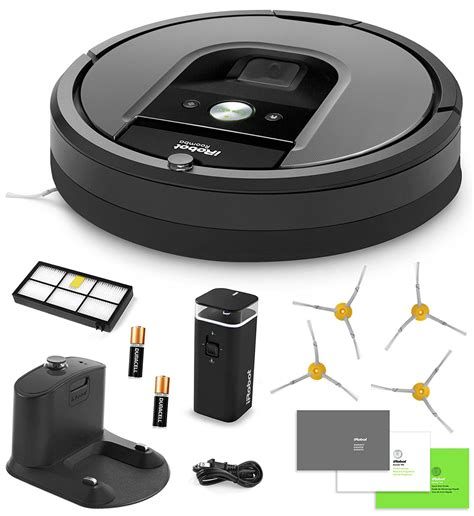
The Roomba 960 sits in the established 900-series lineup that highlighted iRobot’s move from random-drive cleaners toward camera- and sensor-assisted mapping systems at mid-market prices. It is often chosen by buyers who want reliable mapping, integration with voice assistants and an established service/support ecosystem.
The Em925A5A Bs label typifies the many compact robot models sold by smaller or value-minded brands. These units can offer attractive hardware for the price—reasonably strong suction for hard floors, compact form factors, and straightforward controls—but they often trade off advanced navigation and app sophistication. Throughout the article, “Em925A5A Bs” refers to that class of product: affordable robot vacuums with feature sets skewed toward cost-conscious buyers.
Detailed product analysis
Roomba 960 — What it brings to everyday homes
The Roomba 960 emphasizes consistent room coverage and convenience features that matter in multi-room households. Key strengths include an intelligent navigation system that builds and refines a map as it cleans, scheduling through the iRobot Home app, and reliable obstacle handling around common household items.
In real-world use, the Roomba 960 performs well on mixed surfaces: transitions between hard floors and low- to medium-pile carpets are handled without the frequent hang-ups that plague entry-level robots. The 3-stage cleaning system and multi-surface brushes help lift dust and hair from both floors and carpet fibers. For pet owners, the combination of brush design and filtration reduces visible hair and airborne particulates compared with many budget alternatives.
Maintenance is straightforward: brushes and filters are easy to remove and replace, and parts are widely available. The iRobot ecosystem and brand longevity translate into predictable spare-part availability and firmware updates for connectivity and scheduling features.
Discover deals on Electronics — updated daily.
View Offers →Em925A5A Bs — Realistic expectations for value models
Models in the Em925A5A Bs category typically target price-sensitive buyers who want routine floor maintenance without the premium cost. These units usually deliver solid day-to-day cleaning on hard floors and light carpets. They are compact and often quieter than larger midrange models. For many buyers—those in apartments, small homes, or as a supplement to manual cleaning—their combination of price and competent performance is compelling.
Navigation on these models tends to be simpler: random or semi-random patterns with micro-sensor obstacle avoidance rather than full visual mapping. That approach can work well in simpler floorplans, but it may miss deep corners or retrace paths more frequently, leading to longer overall cleaning times or uneven coverage in complex layouts.
Parts and support can vary by brand. Where the Em925A5A Bs class excels is in delivering respectable suction, compact design, and a smaller up-front cost—appealing to those who prioritize savings over advanced automated behaviors.
Pros & Cons
Roomba 960
- Pros:
- Reliable room mapping and systematic navigation for consistent coverage.
- Good performance across hard floors and low-to-medium pile carpets.
- App scheduling, Wi‑Fi connectivity, and voice assistant compatibility.
- Wide availability of replacement parts and established support network.
- Designed to handle pet hair better than many budget models.
- Cons:
- Higher purchase price than generic budget models.
- Brushes and filters require periodic replacement—lifetime cost higher than the cheapest robots.
- Not as feature-rich in mapping as the newest top-tier robots (no multi-level saved maps on older 900-series units).
Em925A5A Bs
- Pros:
- Lower upfront cost, offering accessible entry to robot vacuum convenience.
- Compact and often quieter—good for small living spaces and apartments.
- Simple controls and fewer app complexities, which some users prefer.
- Good day-to-day maintenance for hard floors and light debris.
- Cons:
- Basic navigation can lead to uneven coverage in multi-room or cluttered homes.
- Smaller dustbins and potentially shorter actual runtime under heavier loads.
- Spare parts, firmware updates, and long-term support can be inconsistent depending on the manufacturer.
- May struggle with thicker carpets and heavy pet hair without repeated passes.
Side-by-side comparison
| Feature | Em925A5A Bs (value-class) | Roomba 960 |
|---|---|---|
| Best for | Small apartments, budget-conscious buyers, supplemental quick cleans | Multi-room homes, pet owners, users who want mapping and app control |
| Navigation | Basic/random or simple sensor-based navigation | Systematic mapping (camera/sensor-assisted), more consistent coverage |
| Cleaning performance | Good on hard floors, adequate on low pile carpet | Strong on mixed floors and better at picking up pet hair |
| Battery & runtime | Varies by model; typically suitable for small-to-medium spaces | Designed for whole-room cleaning; reliable runtime for moderate-sized homes |
| Smart features | Basic scheduling; limited or no advanced app features | Full app scheduling, mapping, voice assistant integration |
| Filtration | Basic filters; effectiveness varies | Higher-efficiency filter options suited to allergy-conscious homes |
| Maintenance & parts | Brand-dependent; may be harder to source parts over time | Widespread availability of replacement parts and accessories |
| Price positioning | Lower-cost, entry-level | Midrange—higher initial cost, stronger ecosystem |
How each model performs in real-world use cases
Families with pets
Pet owners prioritize hair pickup, frequent scheduled cleans, and filtration to reduce dander. The Roomba 960’s brush design and filtration generally outperform value-class models in consistently removing pet hair, especially on rugs and carpet edges. Em925A5A Bs-class models can handle light pet hair on hard floors, but households with multiple shedding pets may find they need more frequent manual intervention or repeated robot passes.
Small apartments and single-room living
For small apartments or studio living, the Em925A5A Bs class often represents the better budget decision. These units are compact, easy to store, and provide quick maintenance between deeper manual cleanings. The lack of advanced mapping is less relevant in a simple floorplan, and lower cost makes replacing consumables less painful.
Multi-room houses and complex layouts
Homes with many rooms, stairs, or irregular layouts benefit from structured navigation. The Roomba 960’s mapping and methodical cleaning pattern reduce missed areas and unnecessary re-cleaning. For households that rely on scheduled, unattended cleaning across several rooms, mapping features translate into tangible time savings and more predictable results.
Find top-rated Electronics products at great prices.
View Offers →Allergy-conscious households
Filtration matters for allergy sufferers. Roomba’s higher-efficiency filters and contained dustbin design help limit dust reintroduction during emptying and operation. Value models can be acceptable for light sensitivities but typically lack the higher-grade filters and seal design found in established midrange models.
Buying guide: what to prioritize
Choosing the better value depends on household needs. Below are the key decision drivers and how each model type addresses them.
1. Floor types and cleaning goals
- Mostly hard floors: A value model (Em925A5A Bs class) often performs well and is cost-effective.
- Mixed surfaces or deep carpets: Consider the Roomba 960 or similar midrange models for stronger, more consistent suction and brush systems.
2. Home layout and navigation needs
- Simple, open layouts: Basic navigation is usually sufficient.
- Multiple rooms and complex layouts: Prioritize mapping and systematic navigation to avoid missed areas and wasted battery.
3. Pet owners and allergies
- Heavy shedding or allergies: Favor models with higher-efficiency filters, strong brush systems, and consistent suction (Roomba 960 is stronger in this area).
- Light shedding and little sensitivity: Budget models can be a practical choice paired with periodic manual cleaning.
4. Budget vs long-term cost
- Lower upfront cost can be appealing, but consider lifetime costs: replacement brushes, batteries, and filters add up. Established brands often have predictable spare-part costs and longer firmware support.
- Value models reduce initial expenditure but may need earlier replacement or more manual maintenance.
5. Smart features and ecosystem
- Decide whether app control, voice assistant integration, and scheduling matter. If remote scheduling and mapping-based controls are central, a midrange model like the Roomba 960 offers clear advantages.
- If the user wants a “set-and-forget” simplicity with minimal app fuss, a budget model’s straightforward scheduling may be preferable.
6. Maintenance and durability
- Look for models with easy-access brushes and filters, clear instructions for part replacement, and a brand reputation for spare availability.
- Consider warranty terms and reviews that touch on long-term reliability; buying slightly upmarket can reduce the chance of early failures.
7. Noise and daily life
- Smaller value-class robots can be quieter, which matters in apartments or if the robot runs while people are home. Conversely, more powerful units may be louder but faster and more effective on carpets.
Practical tips for getting the most value
- Clear clutter and loose cords before running the robot to reduce stalls and jams—this benefits any model.
- Use scheduled runs during low-activity times to keep surfaces tidy and reduce the need for manual spot-cleaning.
- Replace filters and brushes on manufacturer-recommended intervals; a well-maintained older robot can outperform a neglected newer unit.
- Consider a hybrid strategy: a budget robot for daily light maintenance and a handheld or upright vacuum for occasional deep cleans.
Conclusion
Which model is better value depends on what the buyer values most. The Em925A5A Bs class represents strong value for straightforward needs: compact living spaces, primarily hard floors, and buyers seeking an affordable way to reduce the frequency of manual sweeping. For multi-room homes, pet owners, or anyone who prioritizes consistent coverage and smart mapping, the Roomba 960 provides better long-term value through more reliable navigation, stronger all-around cleaning performance, and a mature support ecosystem.
Shoppers should map their priorities—flooring mix, home layout, pet presence, allergies, and willingness to pay for convenience—and weigh those against upfront cost and lifetime maintenance. In many households, the slightly higher investment in a midrange, better-supported robot like the Roomba 960 pays off in time saved and cleaner results; in others, a value-class robot that performs well on the dominant floor type will be the smarter, more economical choice.