The Ultimate Setup Guide for Your Fresh Foam X Balos V1
Introduction
The Fresh Foam X Balos V1 arrives in a market saturated with running and everyday trainers that promise comfort, versatility, and durability. This guide aims to help readers—whether seasoned runners, fitness enthusiasts, or everyday walkers—get the most from the shoe from the first try-on through months of use. It covers a practical, third-person analysis of the shoe’s design and performance, a step-by-step setup and break-in plan, purchase considerations buyers typically care about, comparisons to similar models, and maintenance tips to extend service life. The tone is editorial and informative: practical, objective, and focused on real-world use cases.
Product Overview and Analysis
The Fresh Foam X Balos V1 is positioned as a cushioned, responsive trainer that blends Fresh Foam X midsole technology with a performance-oriented upper. In general, shoes in this category aim to deliver a plush ride for daily mileage while still providing enough structure for tempo work and longer efforts. The Balos V1 specifically appears designed for runners who prioritize comfort without sacrificing responsiveness.
Upper and Fit
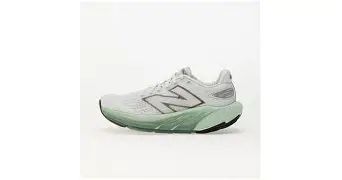
The upper typically combines engineered knit or lightweight mesh with strategic overlays to balance breathability and lockdown. For many users, the Balos V1 offers a secure though not overly constricting fit. The heel counter and padded collar work together to minimize slippage, while a moderately roomy forefoot accommodates natural toe splay during longer runs. Buyers often care most about whether a shoe runs true to size—the Balos V1 tends to sit true to standard sizing for most feet types, but those with very wide feet should try a half size up or consider the wide fit option if one exists.
Midsole and Ride
The Fresh Foam X midsole material is formulated to provide soft compression underfoot with quick energy return—an important detail for runners who want cushioning for recovery runs and enough rebound for paced efforts. The Balos V1’s midsole geometry often aims to blend a smooth transition with moderate stability, reducing excessive roll while keeping the stride fluid. This makes it suitable for both steady long runs and daily training.
Outsole and Durability
Durability is a common buyer concern. The Balos V1 generally incorporates a durable rubber or blown rubber compound in high-wear areas, striking a balance between grip and weight. The tread pattern is usually tuned for a mix of road surfaces—sidewalks, asphalt, and light trails. Users who frequently train on rugged, wet, or technical terrain should expect the Balos V1 to perform best on moderate road conditions rather than aggressive off-road environments.
Weight and Packability
While not an ultralight racing flat, the Balos V1 aims to keep weight moderate to support daily use. That moderate weight contributes to long-run comfort without making the shoe feel cumbersome during tempo work. For travelers who pack running shoes for mixed-use trips, the Balos V1 provides a balance of cushion and portability.
Real-World Use Cases Buyers Care About
- Daily Training: Runners logging moderate weekly mileage will appreciate the cushioning and durability during frequent sessions.
- Long Runs: The plush midsole helps reduce pounding on long efforts, especially for those prioritizing comfort over absolute responsiveness.
- Recovery Runs: The soft Fresh Foam X compound is well-suited to low-intensity, high-comfort sessions.
- Tempo and Mixed Pace Workouts: While not a dedicated speed shoe, the Balos V1 retains enough energy return for tempo efforts when combined with good form.
- Everyday Wear and Commuting: The balance of cushioning and stability makes it a comfortable option for days that mix walking, transit, and short runs.
- Cross-Training: For gym work and light cross-training, the shoe provides a stable platform with sufficient cushioning.
Step-by-Step Setup Guide
Getting the best from the Balos V1 starts with a thoughtful setup. The following steps walk through fit checks, lacing strategies, break-in, and pairing with accessories such as insoles or orthotics.
1. Fit Check Out of the Box
When first trying the shoe, the toe box should allow a finger’s width between the longest toe and the front of the shoe. The midfoot should feel secure without pinching; the heel should sit comfortably with minimal slippage. Walk a short distance and jog for 200–400 meters to detect pressure points.
2. Lacing and Lockdown
Use the heel-lock (runner’s) knot to secure the heel if slippage is present. For a more customized fit, experiment with asymmetrical lacing—skip an eyelet to relieve pressure over a high instep, or use additional eyelets for a tighter forefoot fit. Lacing patterns are a simple, reversible way to improve comfort without altering the shoe.
3. Sock and Insole Choices
High-performance, moisture-wicking socks reduce blister risk and improve the comfort of a snug fit. If the shoe feels slightly shallow or if the runner uses orthotics, switch to a thinner sock or remove the stock insole to make space. Conversely, those who need more arch support can fit a custom insole; check that the replacement insole does not overfill the toe box.
Looking for the best Electronics deals on Amazon?
See Deals →4. Break-In Routine
Most modern trainers require minimal break-in. Begin with short runs or walks of 2–4 miles (3–6 km) for the first few outings. This allows the upper to conform to the foot and the midsole to settle. Pay attention to hotspots or areas of irritation—if they persist beyond the first two weeks, consult a fit specialist or consider an exchange.
5. Gradual Mileage Increase
If the Balos V1 is intended for high weekly mileage, ramp up mileage by 10–15% each week during the first month to confirm the shoe’s durability and comfort under consistent load. Rotate with a second pair if weekly mileage exceeds 40–50 miles (64–80 km).
6. Break-In for Race or Event
Do not race in a brand-new pair. Complete at least 2–3 longer runs, including one race-pace session, to ensure the feel is predictable. This reduces surprises on race day and mitigates risk of blisters or discomfort.
Maintenance and Care
Routine care will extend the lifespan of the Balos V1 and maintain ride quality.
- Cleaning: Air-dry after runs, brush off mud, and hand-wash with mild soap when needed. Avoid machine washing and direct heat sources.
- Storage: Store in a cool, dry place away from prolonged sunlight to preserve midsole foam properties.
- Rotation: Rotate between at least two pairs when logging regular training to allow midsole materials to decompress between runs.
- Retirement: Watch for signs like midsole bottoming, outsole threadbare areas, or loss of cushioning—these indicate it’s time to replace the shoes.
Pros & Cons
- Pros
- Comfortable, plush midsole suitable for long miles and recovery runs
- Balanced ride—soft yet with sufficient responsiveness for mixed paces
- Secure, breathable upper that adapts to different foot shapes
- Durable outsole compounds in high-wear zones
- Versatile for running, commuting, and daily wear
- Cons
- Not a specialist racing shoe for very fast events
- May feel too soft for runners who prefer firm, ground-feel shoes
- Moderate traction—less ideal on technical trails or very wet surfaces
- Runners with very narrow feet may need adjustments to avoid slight heel movement
Comparison Table: Balos V1 vs Two Common Alternatives
| Model | Best For | Cushion | Feel | Durability |
|---|---|---|---|---|
| Fresh Foam X Balos V1 | Daily training, long runs, recovery | High (plush, soft) | Plush with moderate rebound | Good—reinforced outsole zones |
| Fresh Foam X 1080 (example) | Neutral trainers for mixed paces | High (balanced softness) | Soft but slightly firmer transition | Very good—known for longevity |
| Fresh Foam More (example) | Max-cushion long distances | Very high (maximal cushioning) | Cloud-like, less responsive at top speeds | Good—built for mileage |
Buying Guide: What Buyers Typically Care About
When considering the purchase of the Fresh Foam X Balos V1, buyers evaluate several factors beyond styling. This section outlines those considerations and offers actionable advice.
1. Intended Use
Decide whether the shoe will be dedicated to daily training, long runs, tempo days, walking, or a mix. The Balos V1 is most suitable for runners seeking a comfortable, versatile trainer rather than a specialized racing spike.
2. Fit and Sizing
Try the shoe with the socks intended for training. Those with wider feet should confirm the toe box width, while narrow-footed runners may test a snugger lacing technique. If unsure, testing both half sizes can identify the most comfortable length.
3. Support vs Neutral
Assess pronation needs. The Balos V1 generally provides a neutral platform with moderate guidance from midsole geometry. Runners requiring strong stability features should consider stability-specific alternatives or consult a gait analysis expert.
4. Weight vs Cushion Trade-Off
Prioritize whether cushioning or minimal weight matters more. The Balos V1 leans toward cushioning, so those seeking the lightest possible race-day shoe might look to lighter alternatives.
Discover deals on Electronics — updated daily.
Browse Now →5. Durability and Mileage Expectations
Estimate weekly mileage. For high-mileage runners, rotating between pairs and monitoring midsole wear will preserve long-term performance. Check outsole compounds for wear patterns after a few hundred miles.
6. Price and Value
Consider the shoe in terms of durability, versatility, and feel rather than headline price. The value lies in how well it supports the runner’s training goals over time.
7. Test Run Recommendations
When possible, test the shoes with a short run or tempo segment before committing. Pay attention to comfort at the heel, midfoot, and forefoot. A proper test exposes issues that a walk-around in-store may not reveal.
Common Questions and Troubleshooting
Q: What if there is heel slippage?
Try the heel-lock lacing method and ensure the tongue is centered. If slippage remains, slightly tighten the upper lacing or consider a different size or width option.
Q: Are they suitable for short trail sections?
They can handle light, packed trails but are not intended for technical off-road use. For frequent trail running, a shoe with aggressive traction and rock protection is preferable.
Q: How to care for midsole compression?
Rotate shoes and avoid continuous heavy loads beyond the shoe’s intended mileage. If the midsole feels significantly less responsive, that is a sign to plan replacement.
Conclusion
The Fresh Foam X Balos V1 presents itself as a well-rounded option for runners and active users seeking a comfortable, durable, and versatile everyday trainer. Its combination of a plush midsole, supportive upper, and practical outsole design makes it a good match for a broad set of use cases—daily mileage, recovery runs, commuting, and long distances where comfort is a priority. Buyers should prioritize a proper fit, a sensible break-in routine, and regular rotation to maximize lifespan and performance. With the practical setup steps and maintenance guidance above, users can quickly adapt the Balos V1 to their feet and training schedule, ensuring dependable performance from the first run through many miles of dependable service.