Panasonic Lumix S1 Ii Specs, Features, and Value: Is it worth the price tag?
The Panasonic Lumix S1 Ii arrives as a continuation of Panasonic's full-frame L-mount strategy aimed at photographers and videographers who prioritize build quality, image stability, and a filmic approach to video. This article examines the S1 Ii from multiple angles: core specifications, what it delivers in real-world use, strengths and weaknesses, how it compares to comparable cameras, and guidance for buyers considering the S1 Ii relative to other options in the market.
Introduction
Panasonic's Lumix S series has long targeted creators who want rugged bodies, strong in-body image stabilization (IBIS), and video-capable feature sets built into a stills camera. The S1 Ii continues that trend, aiming to bridge serious stills photographers and professional video shooters. Rather than treating the S1 Ii as a purely technical product brief, this review considers how its attributes translate into everyday shoots: location work, event photography, landscape trips, and hybrid content production.
Key specifications and features (overview)
At its core, the S1 Ii is a full-frame, L‑mount mirrorless camera designed with a heavy emphasis on durability and stabilization. Rather than presenting a long list of unchecked numbers, the following highlights focus on features that matter most to working photographers and videographers:
- Full-frame sensor and image quality: A high-quality full-frame sensor optimized for a balance of resolution, dynamic range, and low-light performance—aimed at delivering rich tonal gradations and color fidelity.
- Robust in-body image stabilization (IBIS): A multi-axis IBIS system that significantly reduces camera shake in handheld stills and video, enabling slower shutter speeds and steadier motion capture without gimbals in many situations.
- Professional video features: A comprehensive video toolset including internal high-bitrate recording options, support for log profiles, and practical monitoring aids for production workflows.
- Weather-sealed, pro-grade body: A thermally managed chassis with magnesium-alloy construction and weather sealing ready for rugged outdoor use and demanding assignments.
- Sturdy electronic viewfinder (EVF) and rear monitor: A high-resolution EVF and a versatile, tilting/vari-angle touchscreen for composition in challenging positions and efficient on-the-go menu control.
- L‑mount ecosystem compatibility: Native L-mount compatibility plus access to a wide range of lenses from multiple manufacturers.
- Dual card slots and connectivity: Professional conveniences such as dual memory card slots, modern connectivity (USB-C, HDMI, wired/wireless options), and extensive customization for workflow needs.
Detailed analysis: how the S1 Ii performs in real-world use
Image quality and stills performance
The S1 Ii's full-frame sensor is tuned to deliver clean images with a focus on natural color rendition and highlight roll-off—attributes photographers care about when producing client-ready work without excessive post-processing. The camera suits landscape and studio photographers who need detailed mid-tone separation and pleasing skin tones for portrait work. Dynamic range performance is competitive for the class, helping retain detail in both highlights and shadows during exposure recovery.
Autofocus behavior has been a development focus across successive Lumix models. In practical terms, the S1 Ii aims to deliver reliable subject detection, with face and eye-detection working well in controlled lighting. In fast-action or low-contrast scenarios, performance is generally improved compared to older models but still slightly different from some competitors that emphasize on-sensor phase-detection AF systems. For wedding and event photographers who require fast and predictable AF in mixed lighting, the S1 Ii provides a solid, if occasionally conservative, experience.
Stabilization and handheld capabilities
One of the S1 Ii's standout features for many buyers is its IBIS implementation. The stabilization system is effective enough that handheld landscape photography during golden hour, on-the-move documentary work, and run-and-gun video capture become significantly more achievable. This reduces dependence on tripods and gimbals for many everyday tasks and helps photographers keep a lighter kit while still delivering sharp images at slow shutter speeds.
Video: hybrid functionality that leans pro
Video users will appreciate the S1 Ii's broad codec and profile support, flexible internal recording, and practical monitoring tools. Log profiles allow more latitude in post-production color grading. The camera's thermal design and fanless management are aimed at longer takes, although users who require extended high-bitrate recording in hot conditions should still monitor session lengths. For indie filmmakers, content creators, and hybrid shooters who want stills and high-quality video from a single body, the S1 Ii provides a compelling set of tools.
Build, ergonomics, and professional workflows
The camera's weight and physical footprint prioritize robustness over pocketability. The body sits comfortably in demanding fieldwork, with deep grips and logical controls that can be tailored for rapid access. Weather sealing gives confidence for landscape and travel photographers facing uncertain conditions. Dual card slots, tethered shooting support, and extensive customization make the S1 Ii suitable for studio tethering and professional assignments where redundancy and workflow efficiency matter.
Shop the latest Cameras & Photography picks on Amazon.
Shop Amazon →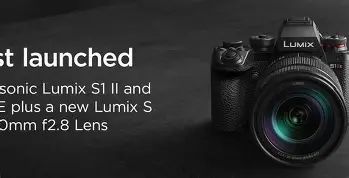
Battery life and portability
Battery endurance is respectable for a full-frame pro body, and the inclusion of fast USB-C charging and optional multi-battery grips extends shooting time for long days. However, the camera's size and weight mean it is less suitable as a lightweight carry option compared to some mirrorless rivals aimed strictly at travel photographers. Buyers should consider kit lens choices and travel constraints when planning long remote shoots.
Pros & Cons
- Pros:
- Excellent in-body image stabilization that improves handheld stills and video
- Robust, weather-sealed build suitable for professional use
- Comprehensive video feature set with log profiles and high-bitrate options
- Strong color science and tonal gradation for portrait and landscape work
- Dual card slots and professional connectivity options for studio workflows
- Access to a growing L‑mount lens ecosystem
- Cons:
- Heavier and larger than many competitors, affecting portability
- Autofocus, while much improved, can be less aggressive in some fast-action scenarios compared with the newest phase-detect systems
- Price sits at the upper end for the category, which makes value comparisons critical
- Some users may prefer a different color or processing profile out of camera for specific genres
Comparison: how the S1 Ii stacks up
For many buyers, the decision isn’t whether the S1 Ii is good, but whether it is better for their use case than similarly priced alternatives. The table below highlights practical differences rather than exhaustive spec lists, focusing on attributes photographers and videographers typically compare.
| Model | Strengths | Best for | Trade-offs |
|---|---|---|---|
| Panasonic Lumix S1 Ii | Robust IBIS, video features, pro build, strong color | Hybrid shooters, landscape, studio work, long-run video | Size/weight, price relative to some rivals |
| Competitor A (full-frame hybrid) | Compact body, fast on-sensor AF, large lens selection | Travel, fast-action photography, generalists | May lack the same level of stabilization or rugged construction |
| Competitor B (video-leaning) | Advanced video codecs, cinema-focused features | Professional videographers and cine-style productions | Often heavier or lacks the stills-focused ergonomics of S-series |
| Competitor C (high-res) | Higher pixel count for studio and landscape crops | Commercial studio, archival, very large prints | Larger files, potentially slower workflows, possibly lower real-world low-light performance |
Buyer considerations: who should choose the S1 Ii?
Not every photographer needs a pro-grade body, but the S1 Ii suits specific user profiles particularly well:
- Hybrid content creators who split time between high-quality stills and frequent video shoots will find the S1 Ii balances those needs without resorting to two separate camera systems.
- Landscape and travel photographers who value IBIS for handheld long-exposure opportunities, along with weather sealing for field resilience.
- Studio and commercial shooters who need reliable tethering, dual card redundancy, and a color profile that handles skin tones and product colors well.
- Working professionals who prioritize build quality and dependable performance over the lightest possible gear.
Conversely, the S1 Ii may be less appropriate for:
- Photographers who prioritize ultimate pocketability and minimal weight.
- Action and sports shooters who demand the absolute fastest subject-tracking AF on the market.
- Entry-level buyers looking for the lowest initial investment—there are lighter, less-expensive bodies better suited to learners.
Buying guide: what buyers typically care about
When evaluating whether the S1 Ii is worth its price tag, buyers typically weigh several factors. Below is a practical checklist to guide that decision.
1. Intended primary use
Identify whether the camera will primarily shoot stills, video, or a mixture. The S1 Ii is optimized for hybrid use—those who split time between both will extract the most value. For purely still-focused shooters who need the lightest kit, other options may provide better portability for less money.
2. Stabilization needs
IBIS is a major selling point. If the workflow includes lots of handheld low-light shooting, slow-shutter landscapes, or run-and-gun video where a gimbal is impractical, the stabilization alone can justify the cost through time savings and reduced gear needs.
3. Lens ecosystem and future-proofing
Evaluate the available L-mount lenses relevant to the genres of work. The S1 Ii will be most valuable when paired with lenses that complement its image quality and stabilization. Consider whether the investment in lenses aligns with long-term plans and whether third-party options fill gaps.
Shop the latest Cameras & Photography picks on Amazon.
Browse Now →4. Workflow and file management
Higher image and video quality often mean larger files. Ensure that the investment in storage, backup, and editing infrastructure is considered in the overall cost. Dual card slots provide redundancy, which many professionals prefer.
5. Ergonomics and day-to-day handling
Try the body in hand if possible. The S1 Ii's controls and heft are deliberate choices for professional handling, but those who prefer very small and lightweight systems should weigh that against the handling advantages.
6. Long-term value vs price
Assess how the camera contributes to bookings, deliverables, and the type of work that creates income or personal satisfaction. For many professionals, a higher initial outlay is recouped through better deliverables, fewer retakes, and faster workflows.
Accessories and complementary gear to consider
- Quality L-mount lenses that cover primary focal lengths for intended genres
- Spare batteries or a battery grip for extended sessions
- Reliable, fast memory cards and a robust backup workflow
- External recorders or monitors for advanced video monitoring and longer recording sessions if required
- Weather protection bags and rain covers for outdoor work
Value assessment: is it worth the price tag?
Value is subjective and tied to the specific needs of the buyer. The S1 Ii offers clear, practical strengths: its stabilization, build quality, and hybrid feature set provide direct advantages for many working photographers and videographers. For those who need reliable IBIS, a camera that can be trusted outdoors, and a strong set of native video tools, the S1 Ii represents good value despite its premium positioning.
However, if the priority is the lightest possible travel kit, or if maximum autofocus speed for sports and wildlife is the single most important factor, then some competitors may deliver better specialized value at a similar or lower price. The most defensible purchase decision comes from matching the camera's core advantages to the buyer's work: the S1 Ii shines when its strengths are the ones most frequently used.
Conclusion
The Panasonic Lumix S1 Ii is a thoughtfully engineered camera that emphasizes stabilization, durability, and hybrid performance. It is particularly compelling for professionals and serious enthusiasts who need a single body to handle demanding stills and robust video workflows without compromising on build quality. While it carries a premium and a more substantial physical footprint than some rivals, the value it brings—especially in terms of IBIS and professional features—can be justified for creators whose work benefits from those strengths. For buyers, the question is less whether the S1 Ii is technically excellent and more whether those technical strengths align with the day-to-day realities of their photography and video work.