5 Hidden Features of the Skechers Max Cushioning Elite 2.0 You Must Know About
In the rapidly evolving landscape of ergonomic design and performance footwear, the Skechers Max Cushioning Elite 2.0 stands as a significant leap forward. While footwear might seem out of place in a discussion typically dominated by gadgets and digital infrastructure, the "Elite 2.0" series represents a masterclass in material science and structural engineering that rivals the complexity of modern consumer electronics. For professionals who spend fourteen hours on their feet or runners looking to mitigate the impact of concrete surfaces, this shoe is less of a garment and more of a precision-engineered tool designed to optimize human kinetic efficiency.
The transition from the original Max Cushioning series to the 2.0 iteration involves more than just a cosmetic facelift. Skechers has integrated several nuanced technical improvements that are often overlooked by the casual observer. These features, ranging from the proprietary chemical composition of the midsole to the geometric layout of the outsole, provide a level of performance that changes the user experience fundamentally. Understanding these hidden features is essential for anyone looking to maximize their investment in high-performance comfort technology.
The Evolution of Maximalist Cushioning
To appreciate the innovations in the Elite 2.0, one must first understand the "maximalist" movement in footwear. Over the last decade, there has been a dramatic shift away from minimalist, "barefoot" style shoes toward platforms that offer significant stack heights. The goal is simple: maximize energy return while minimizing the physiological cost of impact. The Skechers Max Cushioning Elite 2.0 achieves this through a sophisticated interplay of materials that behave differently under various loads.
When analyzing the product, it becomes clear that the design team focused on the "Elite" suffix by targeting high-mileage users. Whether you are a healthcare worker navigating hospital corridors or a marathoner recovering between high-intensity sessions, the demands on the midsole are identical—durability, consistency, and thermal stability. These shoes are engineered to maintain their structural integrity even after hundreds of miles, a feat made possible by the five specific features we will explore below.
1. The Ultra GO® Midsole Chemistry and Thermal Resistance
The most critical component of the Max Cushioning Elite 2.0 is the Ultra GO® cushioning platform. While many users simply feel the "squish" when they step in, the hidden feature lies in the chemical stability of this material. In many standard EVA (Ethylene-vinyl acetate) foams found in mid-range electronics-sector accessories or sportswear, the material is highly susceptible to temperature fluctuations. In cold weather, standard foam hardens, losing its shock-absorbing properties; in high heat, it can become overly soft and lose its supportive structure.
The Ultra GO® foam in the 2.0 iteration features a refined blowing agent process that creates a more uniform cell structure. This ensures that the cushioning remains consistent across a wide temperature range. This "thermal intelligence" means that if you are transitioning from an air-conditioned office to a humid outdoor environment, the transition in foot feel is negligible. For the user, this translates to predictable support, which is vital for preventing repetitive strain injuries that occur when the foot has to compensate for changing shoe mechanics.
2. Natural Rocker Technology (NRT) for Kinetic Efficiency
One of the most sophisticated hidden features of the Elite 2.0 is the Natural Rocker Technology (NRT). This is not just a curved sole; it is a calculated geometric curve designed to facilitate a smooth heel-to-toe transition. Most high-stack shoes can feel clunky or "flat" because the thickness of the sole prevents the foot from flexing naturally. NRT solves this by pre-shaping the kinetic path of the stride.
The NRT in the Elite 2.0 is specifically tuned to reduce the workload on the Achilles tendon and the calf muscles. By creating a rolling motion, the shoe handles the "pivot" point of the walk, allowing the user to propel themselves forward with less active muscle recruitment. In real-world use cases, such as long shifts on hard tiles or long-distance walking, this significantly reduces "end-of-day fatigue." It is the footwear equivalent of an "economy mode" on a high-end electronic device, allowing the human battery to last longer by optimizing energy output.
3. Air-Cooled Goga Mat™ Insole with Moisture Management
While the exterior of the shoe gets most of the attention, the interior architecture is where the Elite 2.0 truly excels. The Air-Cooled Goga Mat™ insole is a hidden gem that functions as a high-rebound pressure distribution system. Unlike memory foam, which takes a "set" and can feel mushy over time, the Goga Mat material behaves like a yoga mat—it provides immediate compression followed by a powerful snap-back.
The "Air-Cooled" aspect is a technical feature involving a perforation pattern that works in tandem with the upper mesh to create a micro-climate around the foot. In the context of performance metrics, heat is the enemy of comfort and skin integrity. By facilitating airflow directly beneath the plantar surface, the Elite 2.0 reduces the risk of hotspots and blisters. This feature is particularly valued by users in high-activity environments where moisture management is a primary concern for long-term comfort.
Discover deals on Electronics — updated daily.
View Offers →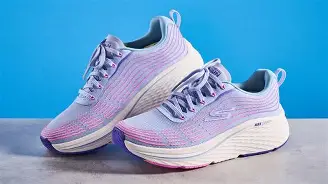
4. The Copper Infused Insole Lining
A feature that is often buried in the fine print but offers immense value is the integration of copper within the insole lining. In the world of high-tech apparel and accessories, copper is utilized for its natural antimicrobial properties. Footwear, by its nature, is a closed system that can harbor bacteria led by sweat and heat.
The copper-infused top layer of the Goga Mat acts as a passive defense system. It works to neutralize odor-causing bacteria before they can permeate the foam layers of the shoe. This contributes to the "Elite" designation by extending the usable lifespan of the product. Buyers who care about hygiene and the longevity of their gear will find this hidden feature far more effective than topical sprays or aftermarket inserts, as the protection is built into the fabric of the shoe itself.
5. Parametric Web Outsole for Multi-Surface Traction
Finally, the outsole of the Max Cushioning Elite 2.0 features a parametric web design that provides a hidden advantage in durability and grip. Rather than using a solid slab of heavy rubber, which would make the shoe weigh as much as a piece of industrial equipment, Skechers uses a strategically placed web pattern. This pattern is dense in high-wear areas like the heel and forefoot, and sparser in the midfoot to save weight.
The specific arrangement of these lugs allows the shoe to flex in multiple directions, providing "independent suspension" for the foot. On uneven surfaces—such as cracked pavement or gravel paths—the outsole can adapt to the terrain while the Max Cushioning midsole absorbs the irregularities. This ensures that the user maintains a stable "contact patch" with the ground, which is a critical safety feature for those who may be carrying heavy gear or navigating slippery environments.
Comprehensive Product Analysis
The Skechers Max Cushioning Elite 2.0 is a rare example of a product that caters to both the enthusiast and the professional. When analyzing its performance, we look at three pillars: Impact Mitigation, Dynamic Support, and Structural Integrity.
Impact Mitigation
The total stack height of the Elite 2.0 is roughly 2 inches at the heel, which is significant. This volume of foam is designed to catch the force of a footfall—which can be up to three times a person's body weight during a run—and dissipate that energy laterally through the foam. This protects the joints, specifically the knees and lower back, which often bear the brunt of standing on hard surfaces. The 2.0 version has a slightly firmer "tuned" feel compared to the original, which prevents the "bottoming out" sensation for heavier users.
Dynamic Support
While the shoe is categorized as neutral, the wide footprint provides inherent stability. The midsole doesn't just go down; it flares out slightly. This "cradle" design ensures that even as the foot compresses into the foam, it stays centered. This is a vital design choice for individuals with slight overpronation or for those whose gait becomes sloppy as they fatigue during a long workday.
Structural Integrity
The upper is constructed from an engineered mesh that is virtually seamless. This reduces friction points that can lead to irritation. Furthermore, the synthetic overlays around the laces and heel provide enough structure to keep the foot locked in place, preventing the "sliding" that often occurs in poorly built maximalist shoes. It is a cohesive system where every component supports the function of the others.
Pros and Cons
Understanding the strengths and limitations of the Elite 2.0 is crucial for making an informed decision. While it is a high-performance shoe, its specific profile makes it better suited for some tasks than others.
Shop the latest Electronics picks on Amazon.
Shop Amazon →Pros
- Superior Shock Absorption: The Ultra GO® foam provides industry-leading impact protection, making it ideal for those with joint sensitivities or high-impact lifestyles.
- Exceptional Breathability: The combination of the engineered mesh upper and the air-cooled insole ensures that the foot remains cool even during intense activity.
- Weight-to-Cushion Ratio: Despite its massive appearance, the shoe is surprisingly lightweight, preventing leg strain during high-step-count days.
- Consistent Energy Return: The NRT (Natural Rocker Technology) encourages a rhythmic walking pace and reduces the effort needed for toe-off.
- Versatile Aesthetics: The sleek design of the 2.0 iteration allows it to blend into professional settings better than many neon-colored athletic competitors.
Cons
- Stack Height Learning Curve: Users accustomed to traditional "low-profile" shoes may initially feel disconnected from the ground or slightly unstable.
- Lateral Movement Limitation: Due to the high center of gravity, this shoe is not recommended for high-intensity lateral sports like tennis or basketball.
- Bulkiness: The wide footprint and thick midsole might feel cumbersome in tight spaces or for those with very narrow feet.
Comparison: Skechers Max Cushioning Elite 2.0 vs. Industry Standards
To provide a clearer picture of where this shoe sits in the technical hierarchy, the following table compares the Elite 2.0 against standard athletic footwear and typical maximalist performance shoes in the electronics and tech-gear space.
| Feature | Standard Athletic Shoe | High-End Maximalist Runner | Skechers Elite 2.0 |
|---|---|---|---|
| Midsole Material | Standard EVA Foam | PEBAX or Nitrogen-Infused | Ultra GO® High-Rebound Foam |
| Stack Height | 20mm - 25mm | 35mm - 45mm | Approx. 50mm (2 inches) |
| Insole Tech | Basic Die-Cut Foam | Proprietary Removable Inserts | Air-Cooled Goga Mat™ |
| Gait Support | Flexible / Minimal | Carbon Plate / Rocker | Natural Rocker Technology (NRT) |
| Primary Use Case | General Gym / Casual | Elite Racing | Performance Walking / Daily Work |
Buying Guide: Is the Elite 2.0 Right for You?
Choosing footwear in the "performance comfort" category requires a detailed look at your specific needs. The Skechers Max Cushioning Elite 2.0 is a specialized tool, and like any high-end piece of hardware, it performs best when matched with the right user profile.
Consider Your Environment
If your daily environment involves concrete, asphalt, or hard-tile floors, the Elite 2.0 is almost peerless. The thickness of the sole acts as a barrier between your skeletal system and the unyielding ground. However, if you spend most of your time on soft grass or carpeted surfaces, the extreme level of cushioning may be overkill, and you might prefer something with more "ground feel."
Assess Your Activity Level
This shoe is designed for linear motion—walking, running, and standing. It is built to move forward and backward. If your job or hobby involves a lot of "stop-and-start" lateral movement (like warehouse picking that requires sharp turns), the stack height could pose a slight tripping hazard if you aren't used to it. For warehouse workers who walk 10+ miles in a straight line, however, it is a game-changer.
Sizing and Fit
Skechers generally offers a more generous fit in the toe box compared to narrow athletic brands. This is a crucial "buyer beware" point: your feet will swell naturally throughout the day, especially if you are active. The Elite 2.0 accommodates this expansion well. Most users find that their true size works perfectly, but if you are between sizes, it is often better to size up to allow the Goga Mat insole to work effectively with your foot's natural spread.
Longevity Expectations
In the electronics and hardware sector, we often look at "cycles" of use. For a performance shoe, the cycle is measured in miles. You can expect the Ultra GO® foam to maintain its "pop" for approximately 300 to 500 miles, depending on user weight and surface hardness. The hidden features like the copper-infused lining and the parametric web outsole are designed specifically to ensure that the shoe doesn't degrade prematurely.
Conclusion
The Skechers Max Cushioning Elite 2.0 is far more than just a comfortable shoe; it is a sophisticated piece of wearable technology that addresses the physiological challenges of the modern world. By integrating materials like Ultra GO® foam and Goga Mat™ insoles with structural innovations like Natural Rocker Technology, Skechers has created a product that actively works to preserve the user's energy and joint health.
Whether it is the hidden antimicrobial benefits of the copper lining or the thermal stability of the midsole chemistry, the Elite 2.0 offers a level of detail that satisfies the most technical-minded consumers. For those who prioritize efficiency, comfort, and long-term durability in their gear, understanding these hidden features reveals why this shoe has become a staple for professionals across various industries. It represents the pinnacle of what happens when ergonomic science meets practical, everyday design, providing a stable platform for whatever the day demands.